Scenario Planning: How to ease the burden of uncertainty
After receiving a diagnosis that none of us want – cancer – over the last two months I’ve been plunged into a world of uncertainty.
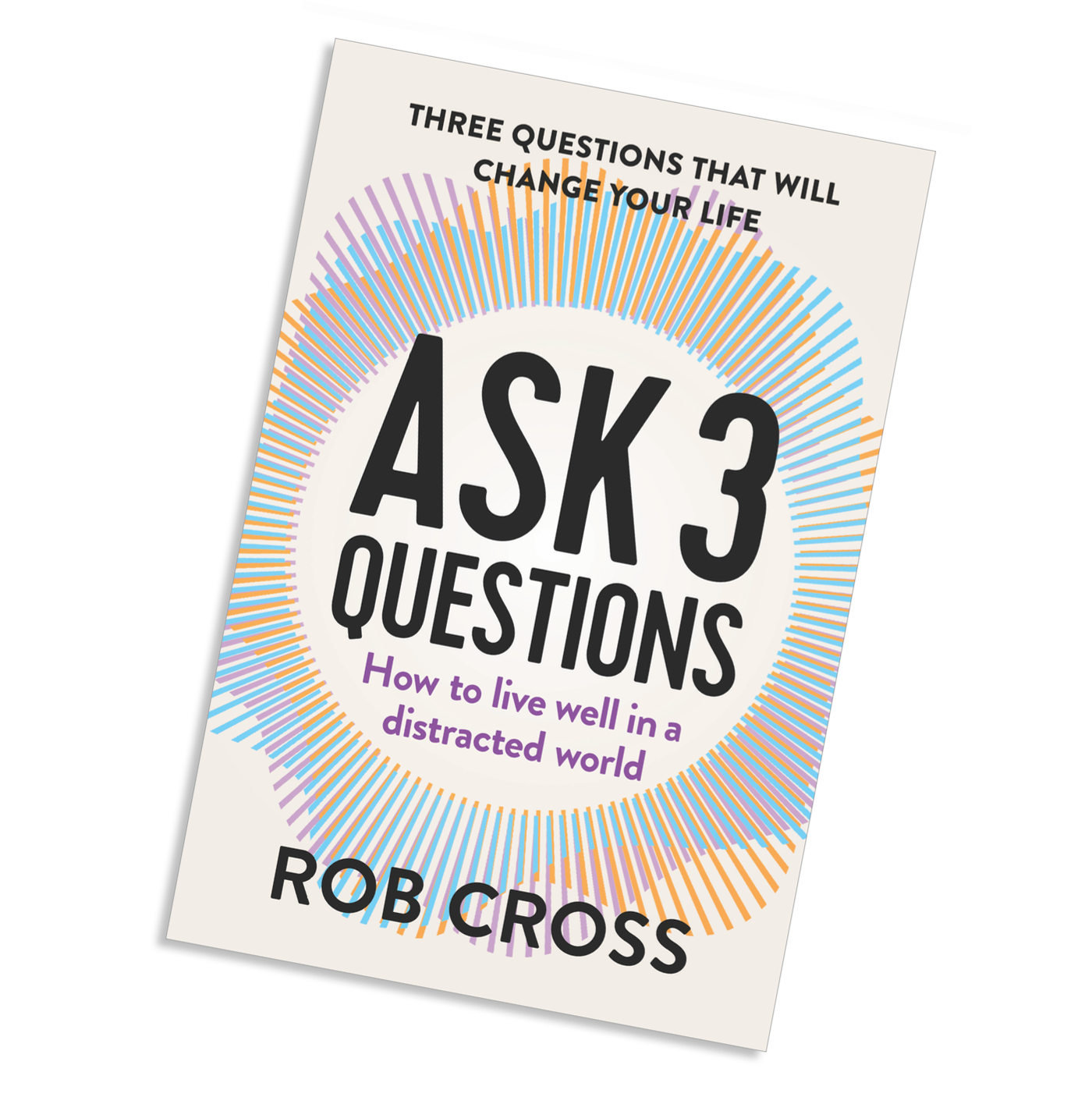
At first, the uncertainty surrounded the diagnosis itself: What exactly was I dealing with? Then came the surgery, and the agonising wait to discover whether it had worked. And with that uncertainty lay further unanswered questions. Would I need more treatment? What might that involve? What would recovery look like? And what does this mean for family life, the launch of my book, and the commitments I have made to clients?
Each answer seemed to lead to another question.
Uncertainty is one of the hardest psychological states for human beings to live with. Research suggests we often prefer knowing that something bad will happen, rather than being left in doubt about it. That might sound irrational, but there is a simple explanation: certainty gives us something solid to respond to.
If we know what is coming, even when it is unwelcome, we can prepare ourselves. We can make decisions, gather resources and plan our response. Uncertainty denies us that sense of agency. It leaves the mind endlessly scanning for threats, imagining possible outcomes and trying to solve a problem without enough information.
Although, like for what I’m experiencing, it is impossible to fully eliminate uncertainty, we can lighten its load.
Throughout my life the most powerful way to do this is through scenario planning.
Scenario planning is often associated with corporate strategy, but its underlying principle is deeply human. When we face an uncertain future, we identify the most likely paths ahead. We then explore the implications of each path and decide how we would respond if it became reality.
The purpose is not to predict the future perfectly. It is to become better prepared for several plausible futures.
One of the greatest points of uncertainty for me came after surgery, while I waited to hear whether the cancer had been successfully removed. I could see three broad scenarios:
- Yes – the cancer had been fully removed. My priority would be to recover and rebuild my strength.
- No – the cancer remained, and further treatment would be required. I would need to understand the options and prepare myself for the next stage.
- The result was inconclusive – requiring decisions about whether further treatment was appropriate.
For each scenario, I became clear about what it would mean and how I wanted to respond. I thought about the questions I would ask, the decisions I might face and the support I would need. I mentally rehearsed the next steps without pretending I knew which outcome would occur.
That process did not make the waiting easy. Nor did it remove the fear. But it gave some structure to an otherwise shapeless uncertainty.
When the uncertainty finally collapsed and I received an inconclusive result, I was not starting from zero. I had already considered what that outcome might mean. I knew the questions I wanted to ask and how I wanted to move forward.
This lesson extends far beyond health.
Whether we are navigating organisational change, economic turbulence, career decisions or personal upheaval, uncertainty can make us feel powerless. Scenario planning gives us back a measure of agency. It shifts our attention from endlessly asking, “What will happen?” to a more useful question: “If this happens, how will I respond?”
We cannot eliminate uncertainty from our lives. It is part of being human.
But we can ease its burden. By considering the potential paths ahead, understanding their implications and preparing a response to each, we can reduce unnecessary stress and meet the future with greater clarity.
We may not be able to choose what happens next. But we can prepare ourselves to face it.
Support
If a conversation with Rob would help you email him at rob@robcross.com